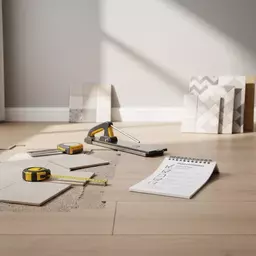
Retiling or Refinishing: Your Choice
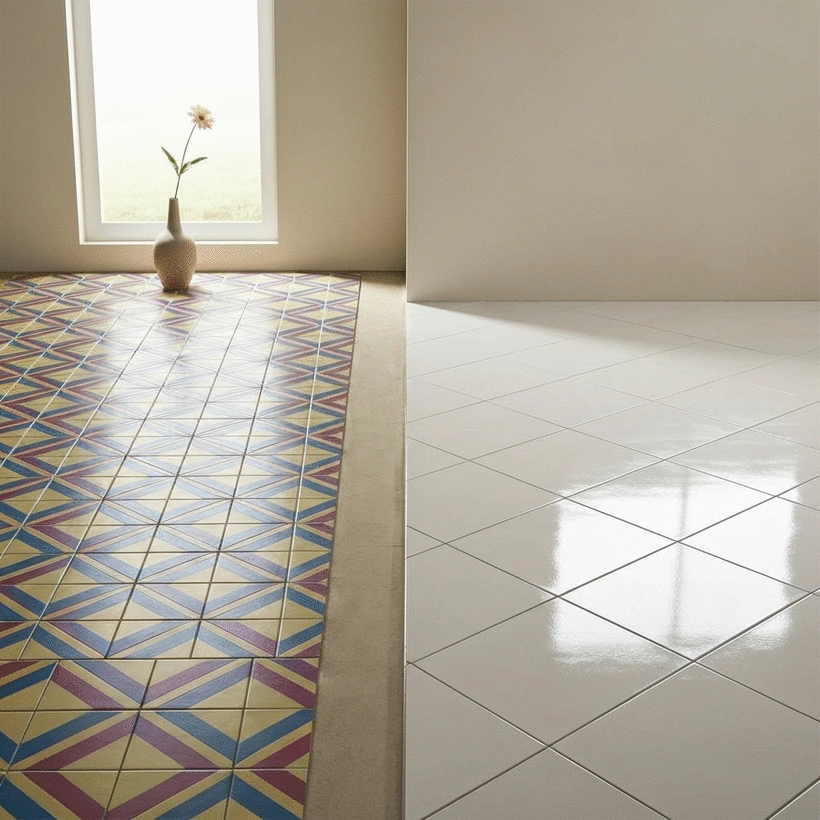
Choosing the right tile solution can be overwhelming, especially when you're faced with options like refinishing and retyling. Did you know that the method you select can greatly influence not just the aesthetics of your space, but also your overall budget and project timeline? Let's explore some essential insights to guide your decision-making process.
What You Will Learn
- Tile refinishing restores existing tiles, saving time and resources compared to complete replacement.
- Retyling involves the removal and replacement of tiles, ideal for spaces needing a full transformation.
- Understanding different tile types—ceramic, porcelain, and vinyl—can help you choose the right material for your project.
- Evaluating the condition of your tiles and your long-term goals is crucial when choosing between refinishing or retyling.
- Proper surface preparation is essential for the success of both refinishing and retyling projects.
Refinishing vs. Retiling: A Comparative Overview
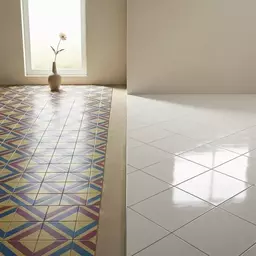
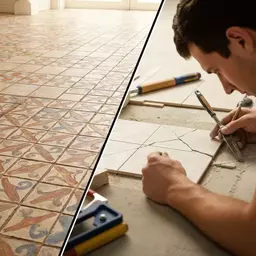
Deciding between tile refinishing and retyling involves weighing various factors such as cost, time, and desired outcome. This comparison highlights the key differences to help you make an informed choice for your space.
Tile Refinishing Process
- Preparation: Cleaning and repairing any damage on the tile surface.
- Application: Applying a bonding agent followed by a topcoat that revitalizes the tiles.
- Curing: Allowing the finish to set properly for a long-lasting effect.
Tile Refinishing Benefits
- Cost-effective alternative to full replacement.
- Faster completion time, less disruption.
- Enhances existing aesthetics without major construction.
Retyling Process
- Removal: Carefully taking out old tiles without damaging the substrate.
- Surface Preparation: Ensuring the surface is clean and ready for new tiles.
- Installation: Laying down the new tiles with precision and care.
- Finishing Touches: Grouting and sealing for a perfect finish.
Retyling Benefits
- Complete transformation of space.
- Addresses structural damage and significant wear.
- Allows for full material and design upgrades.
Understanding Your Options: Rethinking Tile Surfaces
When it comes to enhancing your space, tile surfaces play a crucial role. Whether you’re feeling the urge to refresh your home or business, understanding your options is key. At Precision Tiling Solutions, we often discuss the benefits of two main approaches: refinishing and retyling. Each method has its unique advantages, and knowing what they entail can help you make an informed decision!
What Is Tile Refinishing and How Does It Work?
Tile refinishing is essentially the process of restoring your existing tiles to their former glory. This method involves applying a new finish to the surface, making it look fresh and vibrant without the need for complete replacement. At Precision Tiling Solutions, we utilize high-quality materials that ensure durability and aesthetic appeal.
- Preparation: Cleaning and repairing any damage on the tile surface.
- Application: Applying a bonding agent followed by a topcoat that revitalizes the tiles.
- Curing: Allowing the finish to set properly for a long-lasting effect.
With refinishing, you're not just enhancing visuals—you're also saving time and resources compared to complete retiling. Have you ever thought about how much easier it is to maintain a beautifully finished surface? For more details on the process and safety, you can refer to insights from the EPA Safer Choice program regarding bathtub refinishing, which often uses similar principles.
The Process of Retyling: A Step-by-Step Overview
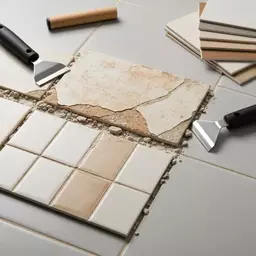
Retyling, on the other hand, involves removing your existing tiles and replacing them with new ones. This process is perfect for spaces that require a complete transformation or when the current tiles are beyond repair. Here’s a concise overview of the retyling process:
- Removal: Carefully taking out old tiles without damaging the substrate.
- Surface Preparation: Ensuring the surface is clean and ready for new tiles.
- Installation: Laying down the new tiles with precision and care.
- Finishing Touches: Grouting and sealing for a perfect finish.
Choosing to retile can significantly change the look and feel of a space. It’s a bigger commitment but can yield stunning results that truly reflect your style! To understand more about similar renovation processes, resources like This Old House's guide on how to refinish a bathtub can offer comparative insights into surface transformations.
Exploring Different Tile Types: Ceramic, Porcelain, and Vinyl
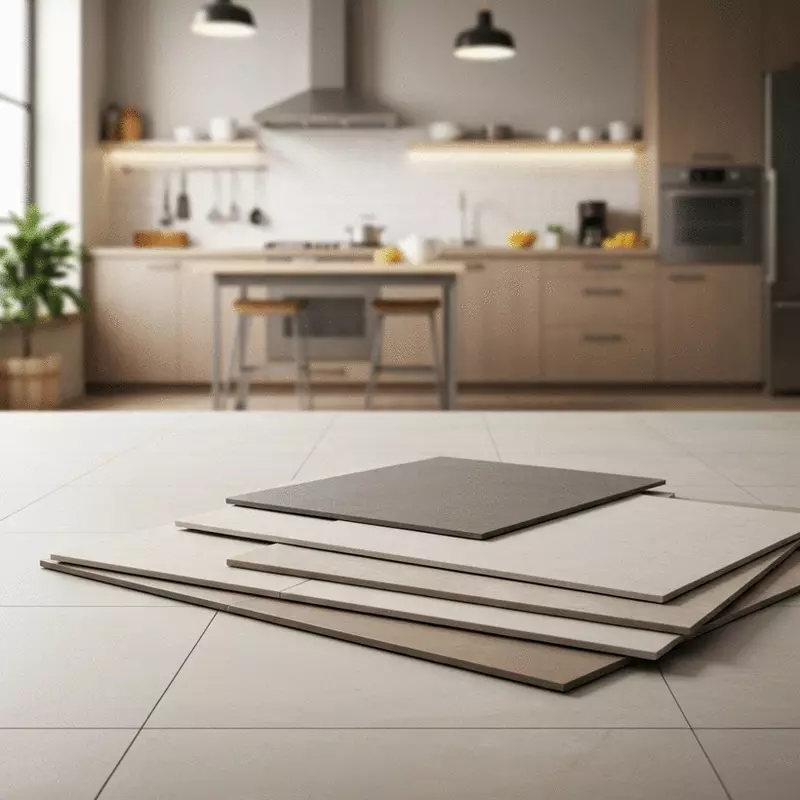
Now that we understand the processes, let’s delve into the types of tiles available. Each type has its characteristics, and choosing the right one can make all the difference in your project:
- Ceramic Tiles: Affordable and versatile, ideal for many interior settings.
- Porcelain Tiles: Known for their durability and water resistance, perfect for high-traffic areas.
- Vinyl Tiles: A budget-friendly option that mimics the look of more expensive materials.
At Precision Tiling Solutions, we help our clients navigate these options, ensuring they select tiles that not only meet their needs but also enhance their space. Have you considered how the right tile can elevate your environment?
Quick Poll: What's Your Priority?
As you consider your options between refinishing and retyling, we’d love to hear from you! What is your main priority when choosing a tile solution?
Making Your Decision: Choosing Between Refinishing and Retyling
When faced with the choice between refinishing and retyling, it’s essential to evaluate your space carefully. Each option has its unique advantages and can significantly impact the functionality and aesthetics of your home. In bustling cities like New York, where space is at a premium, understanding your options can lead to better decisions that cater to your specific needs.
Consider factors such as the age of your tiles, the condition of the existing surface, and your long-term goals. Are you looking for a quick fix or a lasting solution? Let’s break down some key considerations that can guide your choice.
Evaluating Your Space: Key Considerations for NYC Apartments
Living in an NYC apartment presents unique challenges, especially regarding tile renovation. Here are some crucial aspects to evaluate:
- Space Constraints: Smaller spaces may benefit from the less invasive refinishing process.
- Existing Condition: If your tiles are structurally sound but just need a refresh, refinishing could be ideal.
- Future Plans: Consider whether you plan to stay in your apartment long-term—this may influence your decision.
By taking these factors into account, you can make a more informed choice that aligns with your lifestyle and budget.
Identifying Your Needs: Cosmetic vs. Structural Solutions
Not all tile issues require the same solution. Understanding whether your needs are cosmetic or structural is essential for choosing between refinishing and retyling. Here’s how to identify what’s best for you:
- Cosmetic Solutions: If your tiles are merely worn or stained, refinishing can restore their original beauty.
- Structural Solutions: If there are cracks or significant damage, retyling may be necessary to ensure durability.
- Budget Consideration: Refinishing is typically less expensive than retyling, making it a suitable option for cosmetic upgrades.
This distinction will help streamline your decision-making process and prioritize what repairs are necessary for your specific situation.
Surface Preparation: Essential Steps for Successful Projects
The success of either refinishing or retyling heavily depends on proper surface preparation. Here are the essential steps I recommend:
- Cleaning: Thoroughly clean the tile surface to remove dirt, grime, and existing coatings.
- Assessment: Inspect for any damage that needs addressing before starting the project.
- Repair Work: Make necessary repairs on cracked or damaged tiles to ensure a smooth finish.
By preparing the surface correctly, you set the stage for a stunning and lasting result. It’s worth investing the time to get this step right! Additionally, ensuring proper bathroom ventilation is critical during both preparation and application stages to manage fumes and ensure a safe, lasting finish.
Next Steps: Engaging Professionals or DIY?
Once you’ve weighed your options, the next step is deciding whether to tackle the project yourself or hire a professional. This can be a daunting choice, but let’s simplify it!
Frequently Asked Questions (FAQs)
- Q: What is the main difference between tile refinishing and retyling?
- A: Tile refinishing involves applying a new finish to existing tiles to restore their appearance, saving time and resources. Retying, on the other hand, means removing old tiles and installing new ones, ideal for complete transformations or significant damage.
- Q: Is tile refinishing a durable solution?
- A: Yes, when done correctly with high-quality materials, tile refinishing can provide a durable and long-lasting finish that revitalizes your existing tiles.
- Q: What types of tiles are best for high-traffic areas?
- A: Porcelain tiles are known for their exceptional durability and water resistance, making them an excellent choice for high-traffic areas.
- Q: When should I choose retyling over refinishing?
- A: Retying is recommended when your existing tiles have structural damage, significant cracks, or if you desire a complete change in material or design for your space.
- Q: Why is surface preparation important for tile projects?
- A: Proper surface preparation, including cleaning, assessing, and repairing, is crucial for the success and longevity of both refinishing and retyling projects. It ensures proper adhesion and a smooth, lasting finish.
Recap of Key Points
Here is a quick recap of the important points discussed in the article:
- Tile Refinishing: Restores existing tiles with a new finish, saving time and resources compared to full replacement.
- Retyling: Involves removing old tiles for new ones, ideal for significant transformations or damaged tiles.
- Tile Types: Choose wisely between ceramic, porcelain, and vinyl based on durability, cost, and aesthetics.
- Space Evaluation: Consider your tile's age, condition, and your long-term plans when deciding between refinishing and retyling.
- Surface Preparation: Crucial steps include cleaning, assessing, and repairing to ensure success in any tiling project.