Durable Kitchen Flooring Options
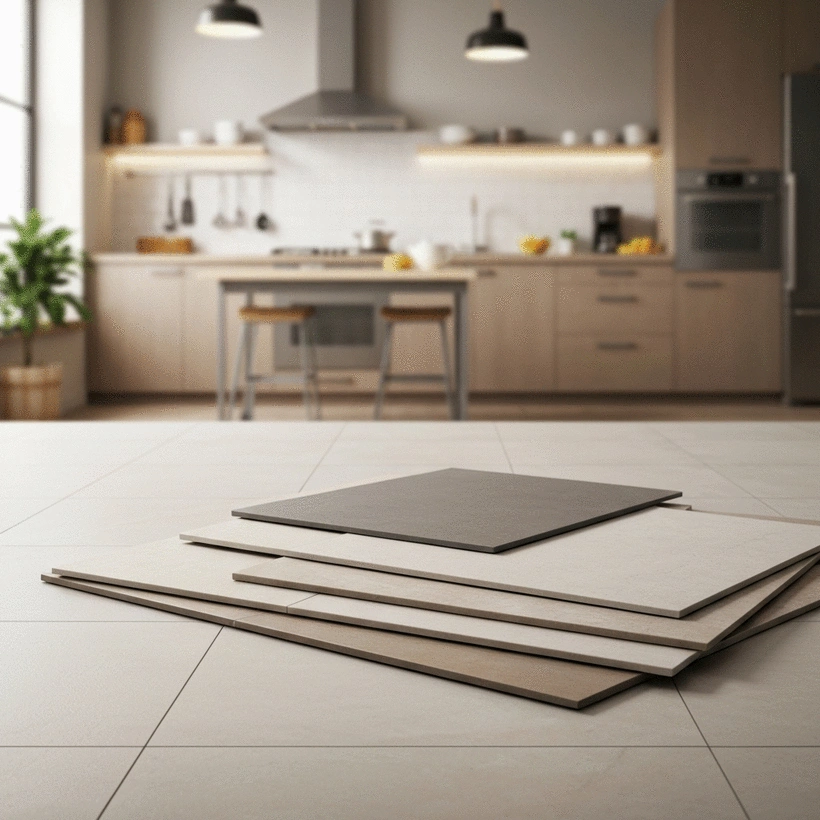
Choosing the right kitchen flooring is more than just a style decision; it's a crucial element in creating a functional and durable space. Let's explore some essential insights that can guide you through this important choice.
What You Will Learn
- High-traffic areas like kitchens require flooring that can withstand daily wear and tear, spills, and stains.
- Durable materials such as porcelain and ceramic tile are excellent for busy kitchens due to their resilience and low maintenance.
- Safety features, like non-slip surfaces, are crucial for preventing accidents in moisture-prone areas.
- Understanding common challenges—moisture damage, heat resistance, and maintenance requirements—can help you make informed flooring choices.
- Professional installation is recommended for larger projects or when extensive repairs are needed, whereas smaller tasks may be suitable for DIY approaches.
- Exploring additional resources such as tiling blogs and material guides can inspire creativity and aid decision-making for your kitchen remodel.
A Look at Kitchen Flooring Material Suitability
Understanding the challenges each kitchen flooring material presents is key to making an an informed decision. Below, we compare common flooring options based on critical factors like durability, maintenance, and water resistance, crucial for the demanding kitchen environment.
Porcelain Tile
Durability: Exceptional
Maintenance: Low
Water Resistance: High
Ceramic Tile
Durability: Good
Maintenance: Low to Medium
Water Resistance: Good
Luxury Vinyl Flooring
Durability: Resilient
Maintenance: Low
Water Resistance: High
Laminate Flooring
Durability: Moderate
Maintenance: Medium
Water Resistance: Low (requires care)
Engineered Wood
Durability: Good
Maintenance: Medium to High
Water Resistance: Moderate (suitable for moisture-prone areas)
Natural Stone
Durability: High
Maintenance: High (requires sealing)
Water Resistance: Moderate (if sealed properly)
Terrazzo
Durability: Very High
Maintenance: Medium
Water Resistance: High
Understanding the Importance of Durable Kitchen Flooring
When it comes to your home, the kitchen is one of the busiest places. It’s where we cook, gather, and sometimes even entertain! That's why choosing durable kitchen flooring is essential. Not only does it need to withstand high traffic, but it also needs to handle spills, stains, and the occasional dropped plate.
At Precision Tiling Solutions, we understand the demands kitchens face, and we want our clients to feel confident in their flooring choices. A well-chosen floor can elevate your kitchen's aesthetic while providing the durability you need. So, let’s dive into why high-traffic areas like kitchens require special considerations, as highlighted by Consumer Reports' guide to the best flooring for high-traffic areas.
Why High-Traffic Areas Need Special Considerations
High-traffic areas like kitchens and entryways experience significant wear and tear. It’s crucial to select flooring that not only looks good but can also withstand the hustle and bustle of daily life. Here are several reasons to prioritize durability:
- Wear and Tear: Daily foot traffic and heavy appliances can cause scratches and dents.
- Spills and Stains: Kitchens are prone to spills, so materials that resist staining and are easy to clean are a must!
- Safety: Non-slip surfaces are vital for preventing accidents in a space where water may be present.
Investing in durable flooring now means fewer replacements and repairs down the line, saving you both time and money!
Common Challenges Faced by Kitchen Floors
Every kitchen floor faces its set of challenges. Some of the most common issues include:
- Moisture Damage: Kitchens are often exposed to water, which can lead to warping and mold if the flooring isn't properly sealed. Recommendations for water-resistant flooring options are available from authoritative sources like the Department of Energy's Building America Solution Center.
- Heat Resistance: Flooring near ovens and stoves should withstand high temperatures without fading or cracking.
- Maintenance Requirements: Some materials require more upkeep than others, which can be a hassle for busy families.
By understanding these challenges, you can make a more informed decision that aligns with your lifestyle and needs. Remember, the right floor can transform your kitchen into a beautiful and functional space! For additional insights on maintaining kitchen hygiene and safety, including flooring considerations, you can refer to the Sonoma County Public Health's flooring guidelines.
Pro Tip
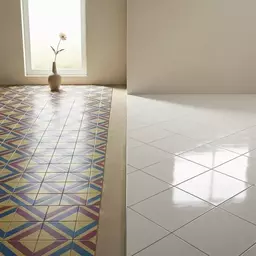
When selecting your kitchen flooring, consider not only the durability but also the design compatibility with your overall kitchen aesthetics. For instance, choosing a light-colored porcelain tile can enhance natural light in your kitchen, making the space feel larger and more inviting. Additionally, investing in slip-resistant materials can provide extra safety, especially in a space often prone to spills.
Frequently Asked Questions About Kitchen Flooring
Here are some common questions to help you make an informed decision about your kitchen flooring:
- What is the most durable kitchen flooring?
Porcelain tile is generally considered the most durable option for kitchens due to its exceptional resistance to wear, moisture, and stains.
- Which kitchen flooring is best for high-traffic areas?
For high-traffic kitchens, porcelain tile, ceramic tile, and luxury vinyl flooring are excellent choices because of their resilience and ability to withstand daily use.
- How do I prevent moisture damage in my kitchen flooring?
Choosing water-resistant materials like porcelain tile or luxury vinyl, and ensuring proper sealing for options like natural stone, can significantly prevent moisture damage.
- Is professional installation necessary for kitchen flooring?
Professional installation is highly recommended for larger projects or when subfloor repairs are needed to ensure proper technique and longevity. Smaller DIY projects might be suitable for those comfortable with the process.
- What are the key factors to consider when choosing kitchen flooring?
Key factors include durability, water resistance, maintenance requirements, heat resistance, safety (non-slip properties), and aesthetic compatibility with your kitchen's design.
Summarizing Your Kitchen Flooring Options
As we wrap up our exploration of kitchen flooring options, it's essential to highlight the durability and suitability of various materials for high-traffic areas. Choosing the right flooring can significantly impact not only the aesthetic of your kitchen but also its functionality and longevity. Here are some key takeaways:
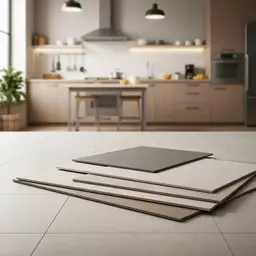
- Porcelain tile stands out for its exceptional durability and low maintenance, making it an excellent choice for busy kitchens.
- Ceramic tile offers affordability without compromising style, making it perfect for those on a budget.
- Luxury vinyl flooring provides a resilient and water-resistant surface, ideal for homes with active families.
- Laminate flooring is a budget-friendly alternative that mimics the look of wood but may require more care over time.
- Engineered wood combines beauty with functionality, fitting well in moisture-prone areas.
- Natural stone delivers timeless elegance but comes with higher maintenance needs.
- Terrazzo offers a unique aesthetic that can serve as a stunning centerpiece in modern kitchens.
Each of these materials has unique benefits, so considering your specific needs and lifestyle is crucial. At Precision Tiling Solutions, I aim to guide you through this selection process with my expertise, ensuring you choose a flooring option that fits both your style and your cooking habits!
Your Next Steps in Kitchen Retiling
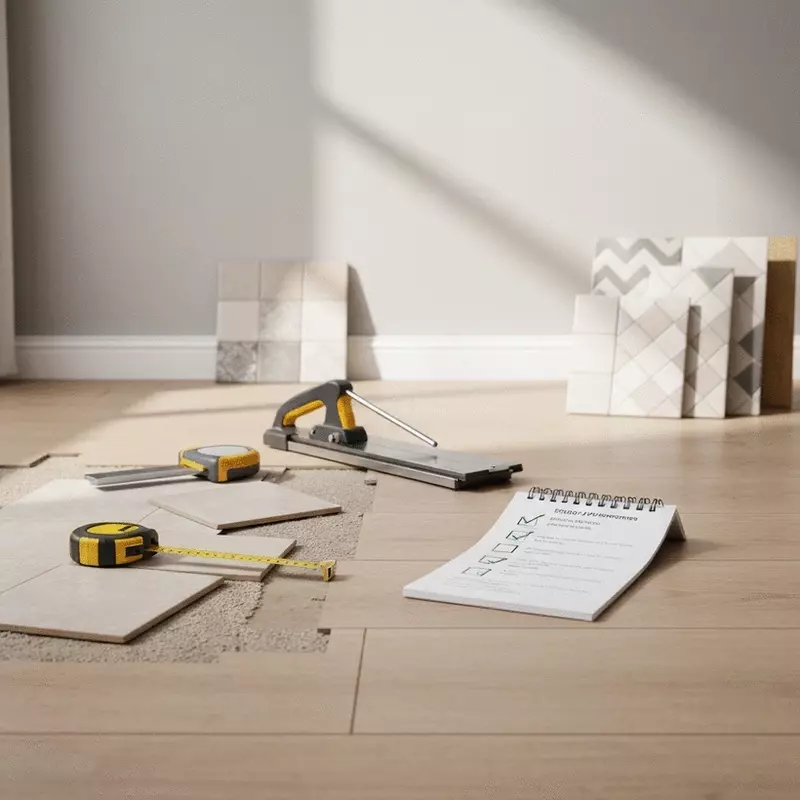
Now that you have a comprehensive understanding of various kitchen flooring materials, it’s time to determine your next steps. One important decision is whether to engage with professionals or tackle the project as a DIY endeavor. Here’s a quick overview to help you make that choice:
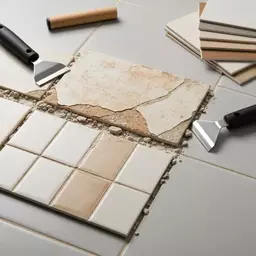
- Professional Help: Ideal for larger projects or when the subfloor requires extensive repairs. With my experience, I can ensure everything is done right the first time!
- DIY Approach: Suitable for smaller areas where you feel comfortable managing the installation process. Just be prepared for a bit of a learning curve!
Whichever path you choose, I encourage you to reach out if you have any questions or need assistance along the way. Remember, I’m here to provide support at every step of your kitchen tiling journey!
Explore Further: Additional Resources for Kitchen Remodeling
If you're feeling inspired and ready to dive deeper into kitchen remodeling, there are numerous resources available. Consider checking out design blogs, flooring material guides, and expert consultation services. Engaging with these resources can ignite your creativity and help you make informed decisions.
- Tiling Blogs: Explore expert opinions and trends in the tiling industry.
- Material Guides: Understand the pros and cons of different flooring options.
- Local Showrooms: Visit local tile showrooms to physically see and feel the materials.
At Precision Tiling Solutions, I’m passionate about helping you create a beautiful and functional kitchen. Don’t hesitate to reach out for personalized advice tailored to your unique space!
Recap of Key Points
Here is a quick recap of the important points discussed in the article:
- Durability Matters: Choose flooring that can withstand wear and tear, spills, and stains typical in busy kitchens.
- Common Challenges: Be aware of issues like moisture damage and heat resistance when selecting materials.
- Material Options: Consider porcelain tile for durability, ceramic for affordability, luxury vinyl for resilience, and engineered wood for beauty.
- Professional vs. DIY: Decide whether to hire professionals for larger projects or handle smaller areas yourself based on comfort and skill level.
- Explore Resources: Utilize design blogs, material guides, and local showrooms for additional insights and inspiration.