Retime or Repair: Cost Insights
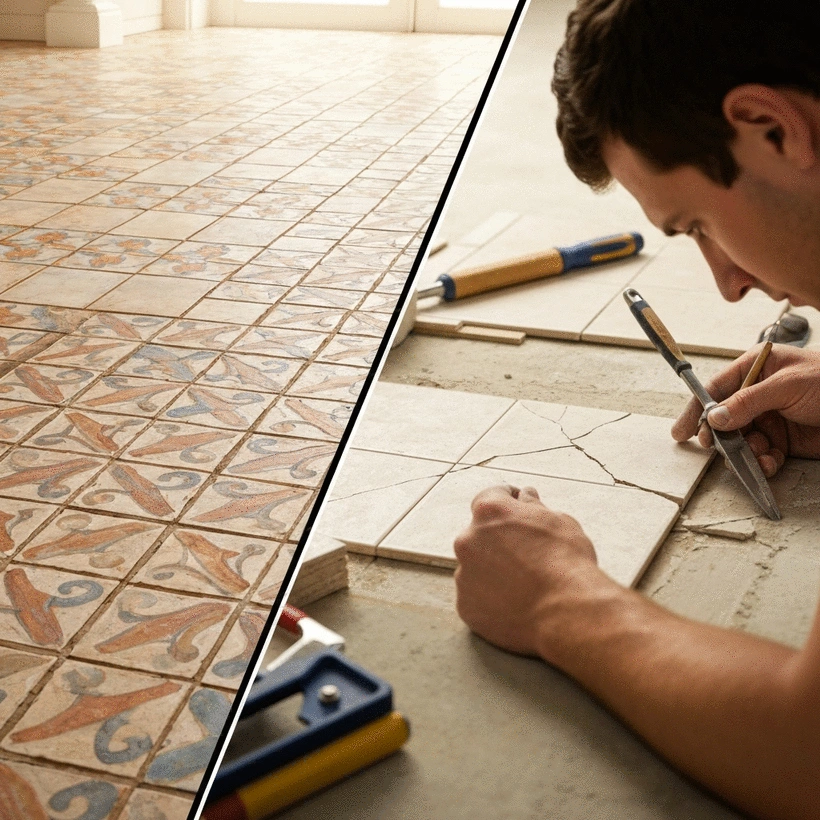
Have you ever found yourself staring at cracked tiles, wondering whether to repair or completely retile your space? Understanding the financial implications of your choices can not only save you money but also enhance your home's appeal. Let's dive into the essential insights that will guide your decision-making process.
What You Will Learn
- Tile repair costs range from $10 to $50 per square foot, while full retiling costs can be between $800 to $3,500.
- Consider the type of repairs needed: cracked tile replacement can cost $15 to $100 per tile, and grout repair typically costs $5 to $15 per linear foot.
- Labor costs often comprise 50% - 70% of total retiling expenses, making material choice and complexity important factors for budgeting.
- Selecting the right tile material can greatly influence overall costs; for instance, ceramic tiles are generally more budget-friendly than porcelain or natural stone options.
- Assessing long-term return on investment (ROI) is crucial; retiling with quality materials may enhance resale value and homeowner satisfaction.
- Utilizing interactive cost calculators can help you better understand your budget and project scope, making the decision-making process more straightforward.
- Exploring DIY options for minor repairs can lead to significant cost savings, especially if you start small and build your skills.
Financial Implications of Tile Repair vs. Retiling
An overview of the cost comparisons for tile repair versus full retiling projects, and the factors influencing these costs.
Overall Cost Comparison
Tile Repair (per sq ft)
$10 - $50
Full Retiling (per project)
$800 - $3,500
Tile Repair Cost Breakdown
Cracked Tile Replacement $15 - $100/tile
Grout Repair $5 - $15/linear ft
Water Damage Repair $50 - $200+
Retiling Cost Influencers
Labor Costs 50% - 70%
Material Types Varying Price Points
Tile Size & Design Impacts Labor
Understanding the Financial Implications of Tile Repair and Retiling
When it comes to tile maintenance, understanding the financial implications is crucial. Whether you're facing cracked tiles or worn-out grout, knowing your options can save you money in the long run. A common question I encounter is, "Should I repair or completely retile my space?" Let's explore this topic together!
For starters, the average cost for tile repair can range from $10 to $50 per square foot, while the cost for a full retiling project typically sits around $800 to $3,500. The choice between repair and retiling often hinges on the extent of the damage and your budget.
Comparing Cost: Tile Repair vs. Full Replacing
When assessing the costs, it's essential to consider the specific circumstances of your project. Here’s a quick comparison:
- Tile Repair Costs: $10 - $50 per sq ft
- Retiling Costs: $800 - $3,500 per project
These figures can fluctuate based on factors like the type of tiles you’re using and local labor rates. It’s always a good idea to get a few quotes to see where you stand!
Breakdown of Tile Repair Costs by Type
Different types of tile repairs come with their own cost structures. Here’s a breakdown of common repairs you might consider:
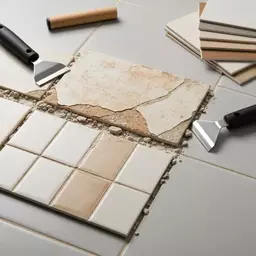
- Cracked Tile Replacement: Often ranges from $15 to $100 per tile, depending on the tile's size and material.
- Grout Repair: Typically costs around $5 to $15 per linear foot.
- Water Damage Repair: Can vary widely, starting from $50 and going up to $200 or more, especially if structural work is needed.
Choosing the right option depends significantly on the damage's extent and your long-term plans for the space. I encourage you to think ahead and consider how long you plan to stay in your home before making a decision!
Exploring the Costs of Retiling: What to Expect
Retiling may seem like a significant investment, but understanding what drives costs can help you budget better. A few key factors influence retiling expenses:
- Labor Costs: Typically account for 50% - 70% of your overall retiling costs. This aligns with general guidelines for construction project budgeting, where labor is a significant component, as highlighted in resources like the Federal Acquisition Regulation (FAR) 15.404-1, which discusses cost analysis.
- Material Types: Porcelain and ceramic tiles are popular, but they come with varying price points.
- Tile Size and Design: Larger tiles or intricate designs can increase costs due to additional cutting and labor.
With these factors in mind, it’s easier to anticipate the financial commitment involved in retiling. A thorough estimate will give you a clear idea of what to expect, allowing you to make informed decisions.
Impact of Tile Materials on Overall Cost
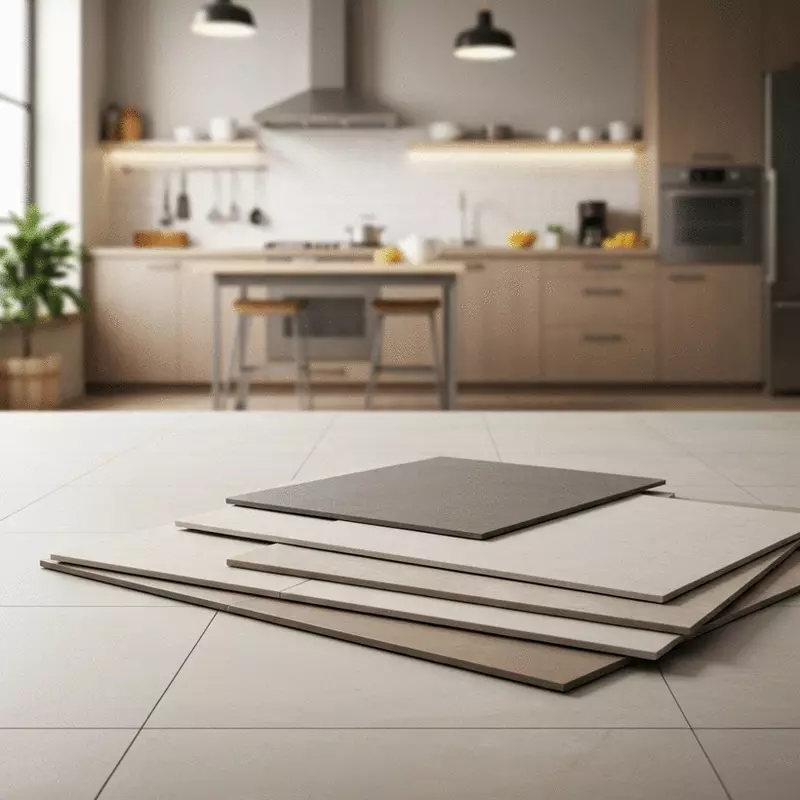
The choice of tile material plays a significant role in both repair and retiling costs. For instance, ceramic tiles are generally more affordable than porcelain tiles, which can impact your budget greatly. Here’s how different materials compare:
- Ceramic Tiles: Cost-effective and versatile, making them ideal for various applications.
- Porcelain Tiles: Often more expensive but known for their durability and low maintenance.
- Natural Stone Tiles: Offer unique aesthetic appeal but come at a premium price.
In the end, the right choice of materials not only affects your wallet but also the overall longevity and appearance of your tiled spaces. I always recommend considering both function and style when making your selection!
Frequently Asked Questions (FAQs)
What is the average cost of tile repair versus full retiling?
Tile repair typically ranges from $10 to $50 per square foot, while a full retiling project can cost between $800 and $3,500.
How much does it cost to replace a cracked tile?
Replacing a cracked tile can cost anywhere from $15 to $100 per tile, depending on its size and material.
What percentage of retiling costs are typically labor?
Labor costs usually account for 50% to 70% of the total retiling expenses.
Do different tile materials affect the overall cost?
Yes, the choice of tile material significantly impacts costs. Ceramic tiles are generally more budget-friendly than porcelain or natural stone options.
Can I save money by doing tile repairs myself?
Exploring DIY options for minor repairs can lead to significant cost savings, especially if you start small and build your skills.
We Want to Hear From You!
Which option do you think is better for your home: tile repair or retiling? Share your thoughts below:
Summarizing Your Investment Options: Tile Repair vs. Retiling
When it comes to your home, making the right choice between tile repair and retiling can significantly impact your investment. I’ve seen firsthand how homeowners weigh their options, considering factors like long-term return on investment, durability, and resale value. Let's break it down to help you find the best fit for your needs!
Before making a decision, it’s essential to evaluate how each option aligns with your vision for your space. A well-planned tiling project can enhance not just the aesthetics of your home but also its value on the market. Have you thought about how a well-executed tiling project can increase your home's appeal to potential buyers?
Long-Term ROI: What to Consider Before Making a Decision
Evaluating the long-term return on investment (ROI) involves analyzing various aspects of tile repair and retiling. Here are some key factors to consider:
- Durability: Retiling with high-quality materials can provide lasting beauty, while repairs may only be a temporary fix. This ties into the concept of deferred maintenance, where postponing significant repairs can lead to greater costs down the line.
- Resale Value: Newly installed tiles often attract buyers, potentially increasing your property's market value.
- Homeowner Satisfaction: A well-executed project leads to a pleasing aesthetic, enhancing your enjoyment of the space.
Ultimately, investing in retiling might yield a higher return, but it also requires a more substantial upfront cost. In contrast, repairs can save money, but they may not offer the same level of satisfaction or durability. Which option resonates more with your long-term goals?
Engaging with Interactive Tools for Cost Assessment
Another excellent way to make an informed decision is to engage with interactive cost calculators. These tools can provide personalized assessments based on your specific project needs and budget. I often recommend using such resources for:
- Calculating estimated costs for both repair and retiling options. Understanding how to accurately estimate these costs is crucial, and resources like Gordian's insights on parametric estimating for maintenance costs can be very helpful for large-scale projects.
- Understanding the implications of different tile materials on your overall budget.
- Planning your project timeline based on your budget constraints.
By leveraging these tools, you can gain a clearer picture of what to expect in terms of costs and scope. It’s all about making the best choice for your circumstances!
Exploring DIY Projects: Cost-Saving Opportunities
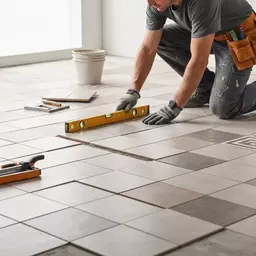
If you're feeling adventurous, exploring DIY options for tile repair and retiling can lead to significant cost savings. I’ve seen many homeowners successfully tackle smaller projects on their own. Here are some tips to consider:
- Research Techniques: Utilize online resources, tutorials, and videos to learn the necessary skills.
- Start Small: Consider beginning with minor repairs or accent tiles to build your confidence.
- Gather Tools: Invest in basic tools and materials for DIY projects, which can often pay off in the long run.
Taking on a DIY project can be rewarding and give you a sense of accomplishment. Have you thought about the satisfaction that comes from completing a project with your own hands?
Final Thoughts: Making the Right Choice for Your Home
As we wrap up our discussion, I encourage you to weigh all options before committing to a decision regarding your tiling project. Each choice, whether it’s repairing or retiling, comes with its own set of benefits and considerations. It’s important to reflect on your personal circumstances and aesthetic goals.
Remember, well-informed decisions lead to better outcomes! Are you ready to take the next step in enhancing your space?
Call to Action: Connect with Professionals or DIY Solutions
If you're feeling uncertain or just want some expert advice, don’t hesitate to reach out to us at Precision Tiling Solutions. I'm here to help you navigate your options, whether you want to explore professional services or take on a DIY project. Let’s discuss how we can make your tiling dreams a reality!
Recap of Key Points
Here is a quick recap of the important points discussed in the article:
- Tile repair costs range from $10 to $50 per square foot, while full retiling can cost between $800 to $3,500.
- Consider the extent of damage when deciding between repair and retiling; repairs may provide short-term solutions, whereas retiling offers long-term benefits.
- Different types of repairs come with varying costs, such as cracked tile replacement ($15 to $100 per tile) and grout repairs (around $5 to $15 per linear foot).
- Labor costs typically account for 50% - 70% of retiling expenses, so obtain multiple quotes for accurate budgeting.
- Choosing the right tile material can significantly influence costs; ceramic tiles are generally more affordable than porcelain or natural stone options.
- Engaging with interactive cost calculators can help clarify project costs and assist in making informed decisions.
- Exploring DIY projects can lead to cost-saving opportunities if you research techniques and start with smaller tasks.