Signs It's Time for Resealing
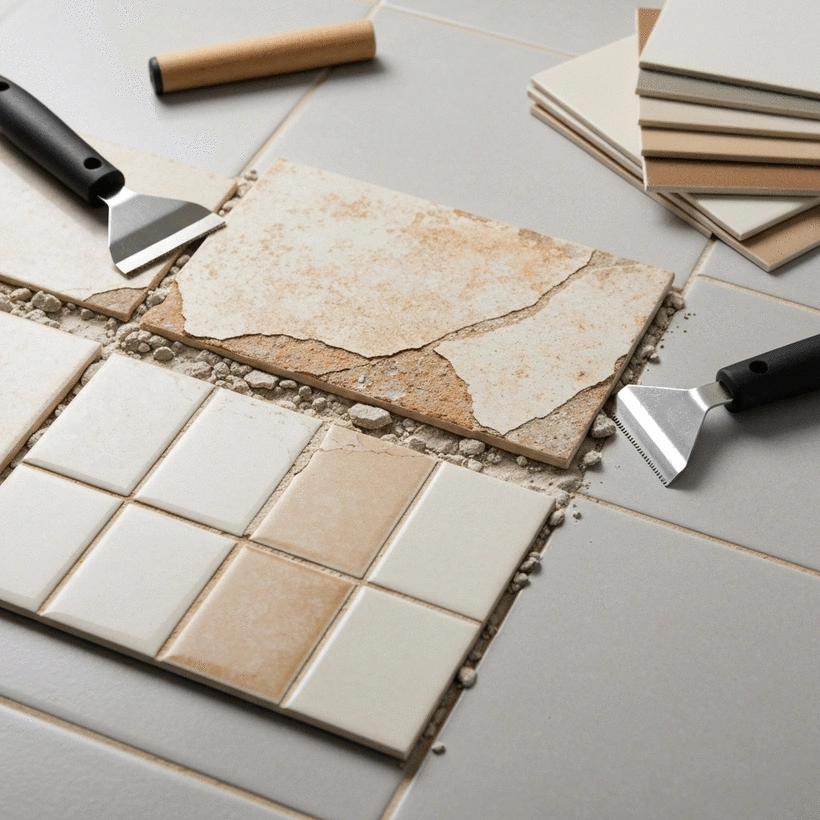
Have you ever noticed how even the most beautiful tiles can lose their charm over time? Recognizing the signs of deterioration is essential to preserving your home’s aesthetic and structural integrity. In this article, we’ll explore the key indicators that signal it's time for retiling and how to ensure your spaces remain stunning.
What You Will Learn
- How to spot visual signs of grout failure, including cracks and pitting.
- The importance of assessing tile condition for loose tiles and gaps.
- Recognizing discoloration and persistent stains as indicators for retiling.
- Understanding the health risks associated with mold and mildew in tiled areas.
- Creating a comprehensive checklist for retiling and grout replacement.
- Factors affecting the cost of tile replacement and the benefits of eco-friendly materials.
Key Indicators for Retiling and Grout Replacement
Understanding when to retile can save time and prevent further damage. This visual guide highlights critical signs of deterioration.
Grout Failure Signs
- ✓ Cracks and Crumbles
- ✓ Pitting and Flaking
Early detection prevents water damage and costly repairs.
Tile Condition
- ✓ Loose Tiles (Hollow sound when tapped)
- ✓ Visible Gaps
- ✓ Faded Tiles
Loose tiles pose risks of water damage and mold.
Color Changes
- ✓ Persistent Stains
- ✓ Uneven Discoloration
Discoloration indicates moisture issues or mold growth.
Mold and Mildew
- ✓ Black or Green Spots
- ✓ Musty Odors
Mold poses serious health risks and weakens tile structure.
Understanding the Need for Retiling: Key Indicators of Tile and Grout Deterioration
It’s crucial to keep an eye on the state of your tiles and grout. Over time, even the best installations can show signs of wear and tear. Recognizing when retiling is necessary can save you time, money, and prevent further damage to your home. Let's dive into the key indicators that signify your tiles and grout may need attention.
Recognizing Visual Signs of Grout Failure
Grout failure can manifest in several visible ways. By being vigilant, you can catch issues early before they escalate. Here are a couple of common signs to look for:
- Cracks and Crumbles: Small cracks can lead to bigger problems if left unchecked.
- Pitting and Flaking: Look for areas where the grout is coming off or appearing uneven.
Identifying these issues early can prevent water damage and costly repairs down the line. It's like having a well-tended garden; consistent care leads to better outcomes!
Identifying Cracks and Crumbles in Grout
Cracks in your grout can appear for various reasons, such as settling or moisture exposure. They may seem minor initially, but they can create pathways for water to seep through. This is why addressing them promptly is essential.
Spotting Pitting and Flaking: What to Look For
Pitting and flaking are often signs of age or wear. You might notice areas where the surface of the grout feels rough or looks uneven. If you find that your grout is flaking, it could mean that it’s time for a refresh!
Assessing Tile Condition: Loose Tiles and Gaps
Next, let’s focus on the condition of your tiles. Loose tiles are not just unsightly; they pose a risk for serious damage to your floor or walls. Here's how you can assess their condition:
- Check for Security: Gently press on tiles to see if they move.
- Look for Gaps: Examine edges for any visible gaps that allow dirt and moisture to penetrate.
It’s always better to be proactive than reactive when it comes to tile security. If you notice any loose tiles, it’s time to consider your options.
How to Determine If Your Tiles Are Secure
One method is to tap each tile gently with a small tool. A solid sound indicates a secure tile, while a hollow sound suggests that the tile may be loose and in need of further inspection.
Understanding the Risks of Loose Tiles
Loose tiles can lead to further issues like water damage and mold. If moisture gets underneath the tiles, it can create a breeding ground for mold and eventually weaken the flooring structure.
Faded Tiles: When to Consider Replacement
If your tiles have lost their luster and color, it may be time for a replacement. Faded tiles not only affect the aesthetic appeal but can also indicate that they are deteriorating. Don’t hesitate to reach out to us at Precision Tiling Solutions if you’re unsure!
Color Changes: Discoloration and Staining
Over time, tiles can change color due to a variety of factors. Discoloration can tell you a lot about the health of your grout and tiles. Here’s what to keep an eye out for:
- Stains: Persistent stains may indicate underlying issues.
- Discoloration: Uneven color changes can signal moisture problems.
When you notice these changes, it’s time to assess whether cleaning will suffice or if retiling is necessary.
What Discoloration Means for Your Grout and Tile
Discoloration usually points to issues like water damage or mold growth. It’s essential to address these problems quickly to maintain the safety of your home.
Managing Stains: When Cleaning Is Not Enough
In some cases, no matter how much you scrub, stains remain. This can be due to deep-set issues that require more than just a surface clean. At times, regrouting or even a complete retile may be necessary to restore the area.
Mold and Mildew: Health Risks and Visual Signs
Mold and mildew can pose serious health risks if left unchecked, especially in areas like kitchens and bathrooms. Here’s how to recognize their presence:
- Visual Signs: Look for black or green spots on grout and tiles.
- Musty Odors: A persistent odor is often a sign of mold growth.
Taking action early can help you avoid health issues and expensive repairs!
Recognizing Mold Growth in Grout and Tiles
Mold thrives in damp environments. Areas with poor ventilation are particularly susceptible. If you spot mold, it’s best to consult with a professional to assess the situation.
Health Implications of Mold Presence in Bathrooms and Kitchens
Mold exposure can lead to respiratory issues and other health problems. It’s crucial to keep these areas clean and dry to prevent mold growth. If you notice mold, don't hesitate to reach out for help.
Tile Mold: How It Develops and Affects Your Home
Tile mold can develop due to leaks or excessive moisture. It can weaken the structure of your tiles and grout, leading to further issues down the line if not addressed promptly. Remember, at Precision Tiling Solutions, we’re here to assist you in tackling these challenges with expert care!
Engage with Us!
Have you noticed any signs of tile or grout deterioration in your home? We want to hear from you! Share your experiences or concerns about your tiling projects below:
Making an Informed Decision: Retiling and Grout Replacement
When it comes to maintaining your home, understanding the right approach to retiling and grout replacement can be a game-changer. Many homeowners often find themselves wondering when it's the right time to take action. By creating a comprehensive resealing and retiling checklist, you can make informed decisions that enhance both the functionality and aesthetic of your space.
Creating a Comprehensive Resealing and Retiling Checklist
As a tiling professional, I've seen firsthand the importance of being thorough in your inspections. Here’s a checklist to help you get started:
- Inspect all grout lines for cracks or crumbling.
- Check tiles for any looseness or visible gaps.
- Look for discoloration or staining that cleaning cannot resolve.
- Examine areas for mold or mildew growth.
- Assess the overall aesthetic appeal of your tile layout.
By regularly evaluating these areas, you’ll be in a better position to decide whether it’s time for a full retiling or just some minor repairs. Preparing for either professional services or a DIY project can save you both time and money!
Essentials for Homeowners to Inspect Their Tiles
When inspecting your tiles, focus on both functionality and beauty. Ensure that all tiles are securely fixed in place and assess the condition of your grout. If you notice visible wear, it’s a signal that you should consider resealing or retiling. Take a moment to ask yourself: how does the space feel? If you’re not satisfied with its appearance, it’s time to take action!
How to Prepare for Professional Services or DIY Projects
If you decide to go the DIY route, preparation is key! Gather the necessary tools, such as tile cutters, trowels, and spacers. Don’t forget to have quality materials on hand, like premium grout and adhesive. While DIY can be rewarding, know your limits. If the project feels overwhelming, don’t hesitate to reach out to Precision Tiling Solutions. We’re here to assist you in achieving stunning results!
Understanding Different Tile Types and Their Maintenance Needs
Each type of tile has unique characteristics that may affect maintenance. For instance:
- Ceramic tiles: Durable and easy to clean, great for high-traffic areas.
- Porcelain tiles: Dense and water-resistant, ideal for moist environments.
- Natural stone tiles: Beautiful but require regular sealing for durability.
Knowing the characteristics of your tiles helps you plan for their maintenance needs and ensures they look their best for years to come.
Visual Aids and Resources for Homeowners
Visual aids can significantly enhance your understanding of tile issues. They make it easier to recognize problems and determine the best course of action. For instance, consider utilizing infographics that highlight common grout issues. These resources can simplify your inspection process and guide you toward effective solutions.
Utilizing Infographics to Identify Grout Issues Easily
Infographics are powerful tools that can visually explain the signs of grout failure. They serve as quick references that you can keep handy. Imagine having a handy guide that shows you the differences between healthy and deteriorating grout! It makes identifying issues much less daunting.
Before and After Visuals: A Case for Retiling
One of the best ways to appreciate the value of retiling is to look at before and after visuals. These transformations often showcase the dramatic impact of a well-executed tiling project. I encourage homeowners to request these visuals during consultations to see what’s possible for their own spaces.
Tile Replacement: Exploring Options and Costs
Tile replacement can be a significant investment, but understanding your options can make the process smoother. Whether you’re considering a full retiling or replacing damaged tiles, having a clear grasp on costs will help you budget effectively.
Cost Estimate: What to Expect When Replacing Tiles
The cost of replacing tiles can vary widely based on factors such as:
- The type of tiles you choose.
- The scope of the project.
- Labor costs in your area.
Generally, you can expect to invest a bit more for high-quality materials and skilled labor. At Precision Tiling Solutions, we provide transparent estimates so you can plan accordingly!
Choosing Eco-Friendly Roofing Materials for Tile Replacement
As we become more aware of our environmental impact, opting for eco-friendly materials is a growing trend. For insights into selecting sustainable materials for your home, the U.S. Department of Energy offers valuable guidance on repairing roofs and ceilings, which can be applied to other home renovation projects. Look for tiles made from recycled materials or those that are sustainably sourced. This choice not only benefits the environment but can also add a unique aesthetic to your home!
Frequently Asked Questions (FAQs)
Q1: What are the primary signs that indicate it's time to retile?
A1: Key indicators include visual signs of grout failure (cracks, crumbles, pitting, flaking), loose tiles, visible gaps, faded or discolored tiles, persistent stains that cleaning can't remove, and the presence of mold or mildew.
Q2: How can I check if my tiles are loose?
A2: You can gently press on individual tiles to see if they move or tap them with a small tool. A hollow sound indicates a loose tile, while a solid sound suggests it's securely fixed.
Q3: What are the health risks associated with mold and mildew in tiled areas?
A3: Mold and mildew can lead to various health problems, including respiratory issues. It's crucial to address their presence promptly, especially in damp environments like bathrooms and kitchens, to maintain a healthy living space.
Q4: Is it possible to just replace the grout instead of retiling the whole area?
A4: Yes, if the tiles themselves are in good condition and only the grout is deteriorating, regrouting can be a cost-effective solution. However, if the tiles are loose, cracked, or severely damaged, full retiling might be necessary.
Q5: What factors influence the cost of tile replacement?
A5: The cost of tile replacement varies based on the type of tiles chosen (e.g., ceramic, porcelain, natural stone), the scope of the project (e.g., a small repair versus a full room retile), and labor costs in your specific area.
Q6: Where can I find information on maintaining different tile types?
A6: Each tile type has specific maintenance needs. For example, natural stone tiles require regular sealing for durability, while ceramic and porcelain tiles are generally easier to clean. Understanding these characteristics helps ensure longevity and appearance. For more detailed information, resources like those from the U.S. Department of Housing and Urban Development and the U.S. Department of Energy can offer general home maintenance advice that often applies to tiling.
Recap of Key Points
Here is a quick recap of the important points discussed in the article:
- Regularly inspect tiles and grout for visual signs of deterioration, such as cracks, crumbles, pitting, and flaking to prevent further damage.
- Check for loose tiles and gaps as they can lead to serious issues like water damage and mold growth.
- Watch for discoloration and persistent stains, which may indicate underlying problems that require professional attention.
- Identify and address mold and mildew promptly to avoid health risks associated with their growth.
- Create a comprehensive resealing and retiling checklist to assess the condition of your tiles and make informed decisions about repairs or replacements.